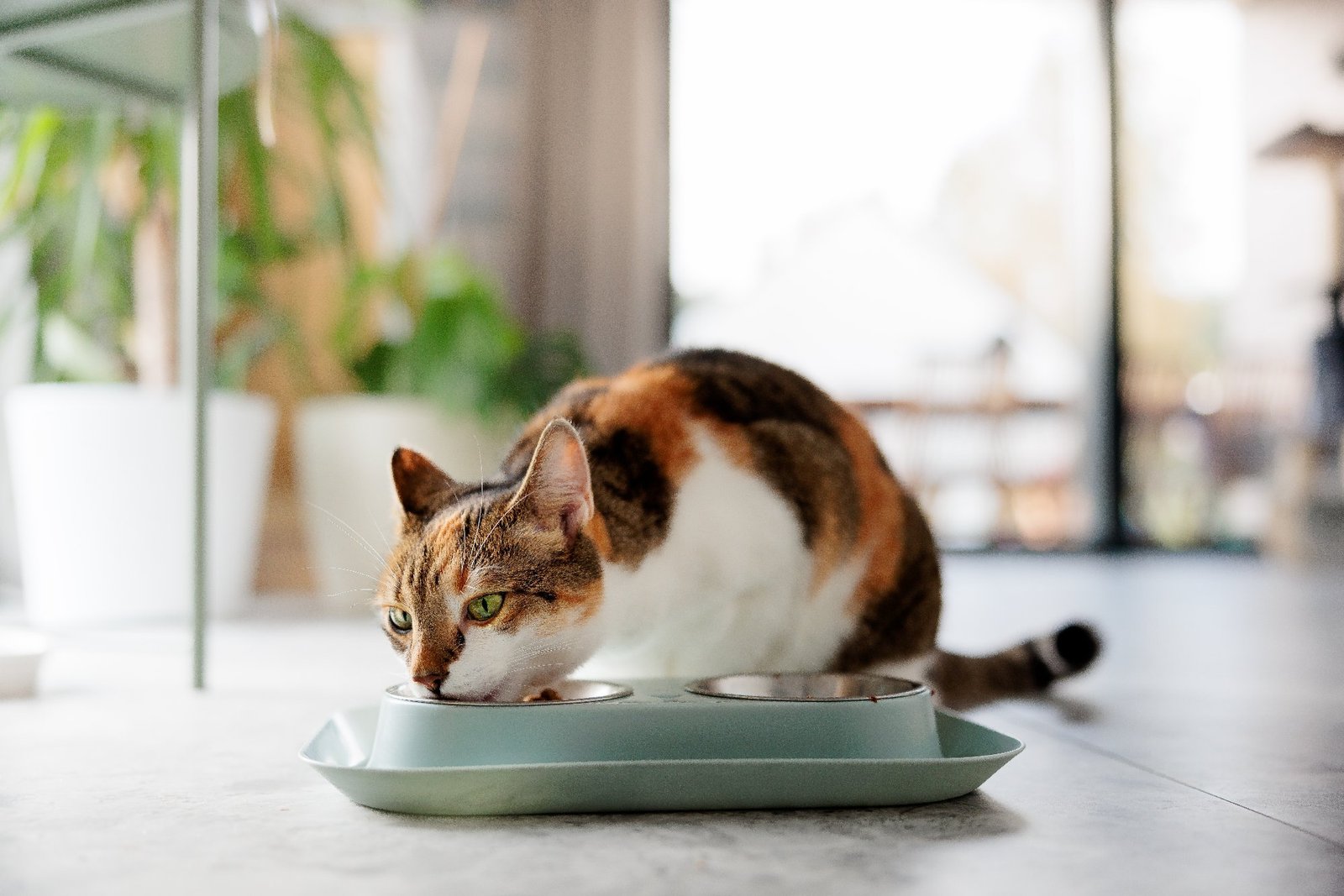
There is a bowl of fresh water in the corner. Your cat walks past it fourteen times a day. And you wonder why the vet keeps mentioning kidney function.
Cats evolved in desert environments. Their thirst drive is physiologically low; lower than dogs, lower than humans.1 In the wild, they absorbed most of their daily water requirement through prey, which is typically 70% moisture. The average dry kibble contains about 10%.2
This matters because the kidneys are one of the most vulnerable organs in older cats. Chronic kidney disease affects a significant proportion of cats over seven, and one of the most consistent contributing factors is lifelong mild dehydration.3
70–80% moisture in quality wet food — close to what cats absorb through prey in the wild2
~10% moisture in dry kibble — leaving cats reliant on water they are not naturally driven to drink4
Practical things that actually help
Running water is more appealing to cats than standing water: a pet fountain can genuinely increase daily intake.5 Placing water bowls away from food bowls helps too; cats do not instinctively drink where they eat. Some cats respond well to a small amount of warm water added to their wet food.
The wet food argument, plainly
We are not ideological about wet versus dry. A mixed diet is the approach most of our members settle into. But if we are being direct: a cat eating high-quality wet food as their primary meal is getting meaningful hydration at every feeding. A cat eating only dry food is not.4
"The easiest thing you can do for your cat's kidney health long-term is switch their main meal to wet food. Not because it tastes better. Because it is closer to what they were designed to eat."— Curation notes, Nine Lives Club
Why we include wet food in every box tier: Even our Essentials box starts with both dry and wet food. Hydration is not optional, it is the baseline. Every brand we carry in wet food has 70%+ moisture and no added sodium.
Sources