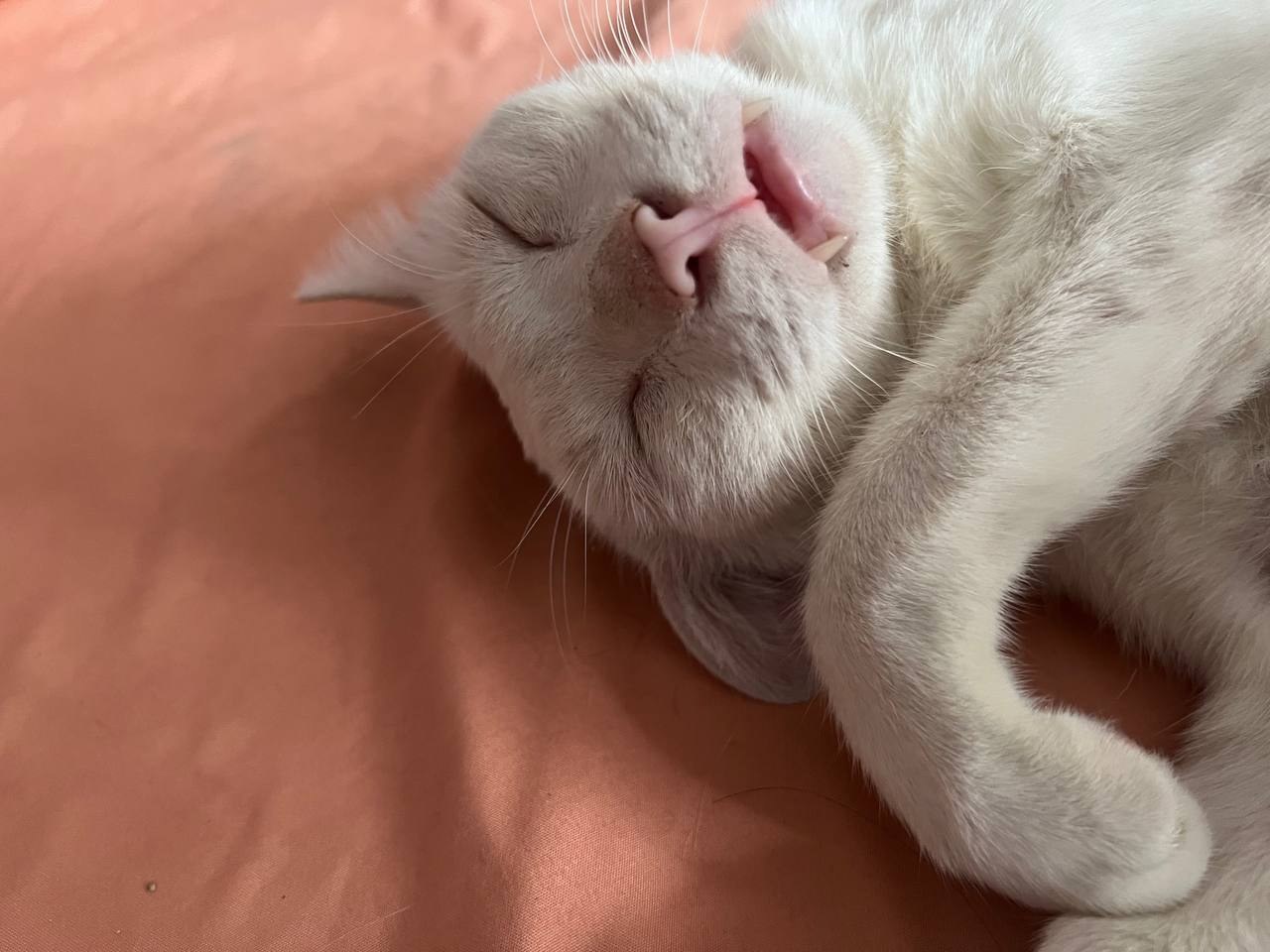
Nobody hands you a manual on day one. This is the calm version of everything we wish someone had told us before our first cat came home in the UK.
Before they arrive
A cat reads a new home through smell and sightlines before anything else. The single most useful thing you can do is prepare one quiet room they can retreat to, rather than giving them the run of the house on the first night. Everything they need lives in that room to begin with, and the rest of the home opens up slowly.
Have these ready before you collect them:
- A quiet room with a door that closes, away from the busiest part of the house.
- A litter tray at one end of the room, with food and water at the other. Cats dislike eating beside their toilet.
- Two or three hiding spots. A cardboard box on its side is often preferred to anything you buy.
- A scratching post tall enough for a full stretch, plus something to climb or perch on.
- Secure windows and balconies, and a check for gaps a small cat could slip through.
- Fresh water in a wide, shallow bowl, kept away from the food.
The first 48 hours
Resist the urge to introduce them to everyone at once. Let them stay in their one room, sit on the floor at their level, and let curiosity do the work. Some cats explore within the hour. Others watch from behind the sofa for two days. Both are normal, and neither says anything about how much they will love you later.
Keep noise low, keep the routine predictable, and let them come to you. Once they are eating well, using the tray and moving about the room with confidence, you can open the door to the next space and let the home unfold at their pace.
Settling is not a race. A confident cat is one that was never rushed.
Food, without the overwhelm
The pet aisle is designed to make this feel harder than it is. A few principles will carry you through the first months.
Change food slowly
If you are switching from what the breeder or rescue fed, do it over seven to ten days, mixing a little more of the new food in each day. A sudden change is the most common cause of an upset stomach in a new cat.
Keep fresh water available, always
Many cats drink less than they should. A clean bowl of water, refreshed daily and placed away from the food, is a small habit that matters more than most people expect.
Portion by the cat in front of you
How much a cat needs depends on age, weight and life stage, so treat the guide on the packet as a starting point and let your vet confirm what is right for your cat. Kittens, adults and older cats all eat differently.
The litter tray, done properly
Most litter tray problems are prevention problems. Get the setup right and you will rarely think about it again.
- One tray per cat, plus one spare. For a single cat, that means two trays.
- Somewhere quiet and private, never beside food or a noisy appliance.
- Scooped at least once a day. Cats are fastidious and will vote with their paws.
- One litter type to begin with. If you change it, change it gradually, the same way you would food.
If a previously reliable cat suddenly stops using the tray, treat it as information rather than misbehaviour. It is often the first sign that something needs a vet's attention.
The legal and medical basics
None of this is difficult, but it is easy to put off. Handle it early and the rest of cat ownership is just the nice part.
Microchipping is the law in England
Since 10 June 2024, owned cats in England must be microchipped by the time they reach 20 weeks old, with your contact details kept up to date on a government-approved database. Owners who do not comply can be given 21 days to act or face a fine of up to £500. The rule currently applies in England only, though it is strongly recommended wherever you live in the UK. Check your own nation's guidance, and read the detail on gov.uk.
Register with a vet in week one
Do this before you need to, not after. A registered practice means a same-day call is possible when something worries you, and it gives you someone to ask about vaccinations, neutering and parasite treatment for your specific cat.
Vaccinations, neutering and parasites
These are conversations to have with your vet rather than the internet, because the right schedule depends on your cat's age, history and whether they will go outdoors. Your practice will set out a plan on your first visit.
Play, routine and settling in
A cat that plays is a cat that is comfortable. Short bursts of play with a wand toy or something to chase, a few minutes at a time, do more for a cat's wellbeing than an expensive toy left on the floor. Cats also love height, so a shelf they are allowed on or a perch by a window earns its keep.
Routine is the quiet foundation under all of it. Feeding around the same times, a predictable rhythm to the day, and a home where they know what happens next. Cats are creatures of pattern, and pattern is how trust is built.
When to call the vet
You will learn your cat's normal quickly, and their normal is your best diagnostic tool. Any clear change from it is worth a phone call. Not eating, hiding far more than usual, straining or failing to use the litter tray, laboured breathing, or simply a cat that seems not themselves, are all reasons to ring your practice rather than wait and see.
No article replaces a professional who can examine your cat. If something feels wrong, the right move is always the same one: call your vet.
Further reading
General guidance for UK cat owners: Cats Protection, PDSA, RSPCA and International Cat Care. This guide is general information and is not a substitute for advice from a qualified vet.